
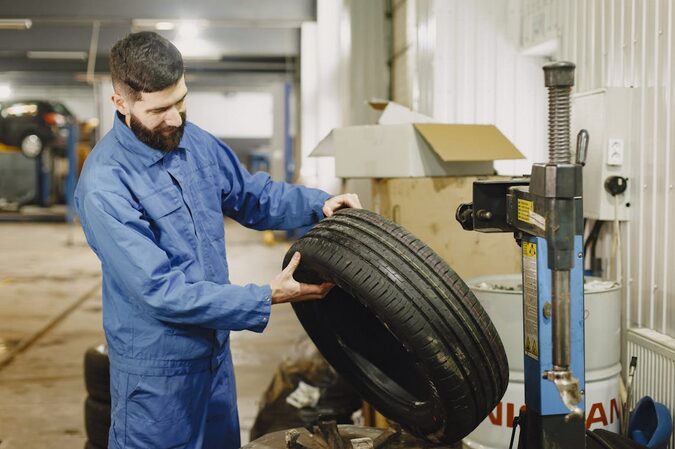
How Performance Tires Affect Acceleration, Grip, and Cornering
Performance tires are specifically engineered to enhance a vehicle’s handling, stability, and overall driving dynamics. Unlike standard tires, they are designed with advanced rubber compounds, tread patterns, and structural reinforcements that optimize traction, responsiveness, and durability under demanding conditions. Understanding the design and purpose of performance tires is essential to appreciating their impact on key driving factors, including acceleration, grip, and cornering. By improving the connection between the vehicle and the road, these tires enable drivers to achieve greater control and confidence, particularly in sporty or high-speed driving.
Impact on Acceleration

One of the most noticeable benefits of performance tires is their effect on acceleration. The specialized rubber compounds used in these tires provide increased road friction, allowing more efficient transfer of engine power to the wheels. This enhanced traction reduces wheel spin, particularly during rapid starts or sudden bursts of speed. Vehicles equipped with performance tires can accelerate more effectively on both dry and wet surfaces, as the tires maintain better contact with the road. The result is improved launch performance, quicker throttle response, and a more controlled driving experience during high-performance maneuvers.
Enhancing Grip and Traction
Grip is a critical factor that influences how well a vehicle maintains contact with the road under various conditions. Performance tires achieve superior grip through optimized tread patterns, wider contact patches, and softer rubber compounds. These features allow the tire to conform to surface irregularities, increasing friction during driving. Enhanced grip improves stability, reduces skidding, and provides more predictable handling during sudden braking or rapid lane changes. Drivers benefit from greater confidence when navigating challenging road conditions, as performance tires help maintain consistent traction and minimize the risk of losing control.
Improving Cornering Capabilities
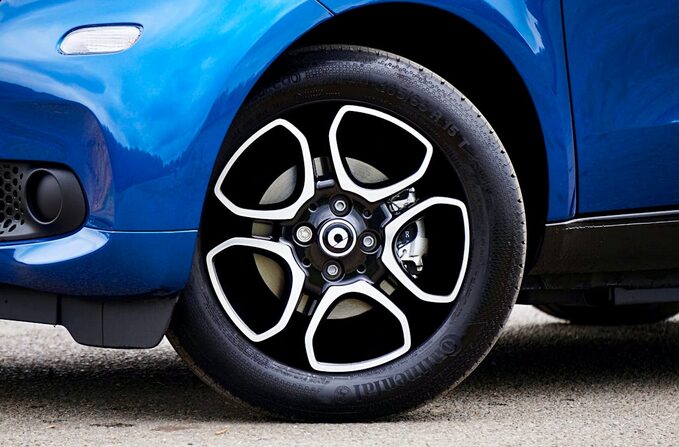
Cornering performance is another area where performance tires make a significant difference. The reinforced sidewalls and optimized tread designs of these tires enable them to handle lateral forces during turns better. As a vehicle negotiates a curve, performance tires maintain higher levels of traction, preventing excessive body roll or slippage. This translates into more precise steering response and the ability to take corners at higher speeds with stability and control. In addition, the improved grip provided by performance tires helps distribute forces evenly across the tire surface, enhancing overall vehicle balance and handling dynamics.
Considerations and Trade-offs
While performance tires offer notable advantages, they also come with certain trade-offs. The softer compounds that improve grip and handling tend to wear faster than standard tires, requiring more frequent replacement. They may also provide a firmer ride and generate increased road noise due to their construction. Cost is another consideration, as performance tires are typically more expensive than regular tires. Despite these factors, the benefits in acceleration, grip, and cornering often outweigh the drawbacks for drivers who prioritize enhanced performance and handling characteristics.
Performance tires play a crucial role in shaping a vehicle’s acceleration, grip, and cornering capabilities. By enhancing traction, responsiveness, and stability, these tires allow drivers to experience greater control and confidence under demanding driving conditions. Although they require careful consideration regarding wear, cost, and ride comfort, the performance improvements make them a valuable component for enthusiasts and those seeking optimized driving dynamics. Ultimately, performance tires demonstrate how specialized engineering can significantly elevate the overall driving experience.…